







A real estate portfolio is a collection of real estate investments owned by an individual, company, or investment group. These properties may include residential, commercial, industrial, retail, or mixed-use assets held for rental income, capital appreciation, or diversification.
Spreading investments across different property types reduces overall risk.
Rental properties generate recurring monthly income for investors.
Property values may increase over time, leading to long-term gains.
Long-term real estate holdings help build financial stability and wealth.
A real estate portfolio is an organized collection of property investments designed to generate income, appreciation, and long-term wealth. It helps investors diversify risk while creating multiple revenue streams from different real estate asset classes.

Market Trends
Key Insights into the PropTech Market Let’s dig into the core factors driving this digital revolution. These insights will help you keep up with market changes and take advantage of growth opportunities. Market Overview and Growth Outlook As the real estate market evolves, the demand for tech-driven solutions has reached an all-time high. This shift isn't just a passing trend. Rather, it's a response to the realities of a fast-paced industry. With an impressive 16% compound annual growth rate (CAGR), the appetite for real-time data, operational efficiency, and enhanced customer experiences is propelling property managers, agents, and investors to adopt innovative technology. So, what are they really after? It’s simple → streamlined operations, reduced costs, and a user experience that keeps clients coming back for more. PropTech Market Growth - Factors and Challenges To understand this growth story, we need to look at two pivotal elements driving this expansion. AI and Machine Learning Adoption The adoption facilitates predictive analytics and personalized property recommendations, significantly impacting decision-making processes. A recent McKinsey report highlights that real estate companies leveraging AI have boosted their net operating income by over 10%. This improvement stems from enhanced operational efficiencies, allowing firms to make smarter investment decisions and better allocate resources. Cloud-Based Solutions Demand Next, the demand for cloud-based property management systems is growing, offering flexibility and scalability that traditional on-premise solutions struggle to match. This shift is evidenced by industry leaders who prioritize innovation and customer-centric strategies. Reflecting this shift, AppFolio closed Q4 2022 with a 30% revenue increase, reaching $124.1 million — a clear indicator of how cloud solutions are shaping the future. However, this overall PropTech market growth is not without its challenges. 78% of real estate professionals are concerned about cyber attacks. Issues such as cybersecurity threats, data privacy concerns, and a lack of regulatory framework for AI applications necessitate a vigilant approach to risk management. Balancing innovation with security will be key to leveraging the full potential of PropTech, ensuring that as we move forward, we do so with confidence. Impact of Digital Transformation on Real Estate Exploring properties from your couch or submitting an offer on a home while sipping coffee is now part of everyday life in real estate. This shift in consumer behavior compels real estate professionals to rethink their strategies and embrace new digital-first methods. Blockchain technology is one such advancement that stands out as a key player in enhancing transaction transparency. Platforms such as Propy are pioneering cross-border real estate transactions, streamlining the buying process and building trust among buyers and sellers. These advancements simplify what once were complex processes, making real estate more accessible than ever. Market Segmentation and Analysis Exploring PropTech market segments isn’t just for industry insiders. Therefore let’s look at the major segments shaping PropTech today, seeing who’s using what, the impact, and why it matters. Integrated Platforms vs. Standalone Software In the PropTech market, two solutions lead the way: More and more professionals in the industry are opting for integrated systems. Why? Because they help eliminate data silos and simplify cross-department communication. Real estate players recognize that integrated platforms allow for real-time oversight, helping them to scale operations without juggling multiple tools. All of which a standalone software cannot provide. Now, the issue in question is whether to choose a cloud-based or on-premise PropTech solution! Cloud-Based vs. On-Premise Solutions Cloud-based PropTech software solutions have become the preferred choice, making up 69% of real estate software deployments in 2023. The preference shift is largely due to the cloud’s scalability, lower upfront costs, and flexible access points. Sure, on-premise solutions still have their place in highly regulated markets, but even those are slowly giving way to the convenience of the cloud. Residential, Commercial, and Industrial Markets Building on these trends, each real estate market — residential, commercial, and industrial — has a unique PropTech adoption curve. Here’s how they differ: Residential Market: By 2022, residential PropTech had a substantial 58% market share, with platforms streamlining property listings, virtual tours, and tenant management. Zillow and Redfin continue to innovate, integrating AI-based virtual staging and 3D walkthroughs, attracting tech-savvy homebuyers. Commercial Market: Smart building solutions are on the rise, particularly in offices. Incorporating IoT to monitor energy use and enhance tenant engagement. Industrial Market: Logistics and warehouse management are increasingly adopting PropTech, though growth is still catching up to residential and commercial sectors. The focus is on enhancing inventory tracking, security, and operational efficiency. Real Estate Agents, Property Investors, and More In the past few years, PropTech solutions have reshaped the role of real estate agents and property investors: Real Estate Agents: Tools like Matterport for 3D virtual tours and automated valuation models (AVMs) for faster price analysis are empowering agents to enrich the client experience. In a recent survey, real estate agents reported 40% improved lead conversion rates after integrating virtual tours. Property Investors: With access to predictive analytics, investors are making data-backed decisions like never before. Platforms such as CompStak provide insights into leasing comps and market trends, helping investors reduce risks and maximize returns. Regional Insights: PropTech Growth Across the Globe PropTech is booming worldwide, but its growth trajectory looks different depending on where you are. North America: Key Market Drivers and Trends The USA is home to several leading PropTech firms. However, North America, in particular, is the leading hub for PropTech innovation, accounting for over 55% of global market share. Smart building technology Blockchain-based transactions These trends are particularly visible in tech-driven cities like San Francisco and New York due to their sustainable features. PropTech Growth in Europe: Challenges and Opportunities Europe’s PropTech market is expected to grow significantly, focusing on: Sustainable building solutions Green technology integration Countries like the UK and Germany are leading the charge, though regulatory hurdles and varying property laws across nations pose challenges for market expansion. The Fast-Paced Expansion in Asia-Pacific Markets With a 17% projected CAGR through 2030, Asia-Pacific is the fastest-growing PropTech region. Urbanization, rising incomes, and government-backed digital infrastructure in countries like China, Japan, and India fuel this surge. Emerging PropTech Markets in Latin America and Africa PropTech in Latin America and Africa is still in its early stages but shows potential. Mobile-first solutions for underserved markets are accelerating digital transformation in residential housing. PropTech Market Forecast: Trends to Watch Through 2034 After observing the trends, it's clear that the future of the PropTech market is evolving. Let’s take a closer look at the trends that are set to shape the industry over the next decade. Residential Property Market Outlook and Key Trends Imagine walking into a home where everything is automated, from lighting to temperature control. Key trends include: Home automation AI-based property recommendations Seamless remote management By 2030, virtual reality (VR) tours are expected to become a standard part of the buying process, making home shopping feel like a game rather than a chore. The Rise of Smart Building and IoT-Enabled Solutions The global demand for Internet of Things (IoT)-enabled smart buildings is expected to grow, with an increasing focus on: Energy management Tenant experience Predictive maintenance In 2022, about 307.8 million users engaged with IoT in smart homes — an impressive 88% jump since 2018. Competitive Landscape in the PropTech Industry Competition in PropTech is heating up, with both startups and established companies battling it out for market share. The real differentiator? Innovation. Companies that use: Data analytics AI Automation are enhancing the customer experience and coming out on top. Key Players in the PropTech Market Leading players in the PropTech market include: Opendoor Aurum PropTech These companies drive innovation with AI-based valuation models and blockchain transaction systems. Strategic Partnerships and Mergers in the PropTech Sector One trend to keep an eye on is strategic partnerships. For example: Opendoor and Redfin: Combining buying platforms with brokerage services to streamline real estate processes. JLL Technologies' acquisition of Building Engines: Strengthening capabilities in property management. Such collaborations reflect broader strategies to consolidate resources and enhance operational efficiency and customer experience. Similarly, JLL Technologies' acquisition of Building Engines underscores how companies are leveraging mergers to strengthen their capabilities in property management, highlighting the industry’s move toward more comprehensive, end-to-end tech solutions. New Entrants and Innovation in PropTech Solutions Startups focused on sustainable PropTech and decentralized real estate platforms are particularly notable. While established companies still dominate, these new entrants are offering fresh, innovative ways to buy, sell, and manage properties. With these partnerships and new entrants, it’s crucial to look ahead at the trends influencing the PropTech market in 2024. PropTech Market Trends in 2024 & What’s Next So, where is the PropTech market headed? Changing consumer expectations and technological advancements will continue to push the industry forward. Here are a few key trends to watch. Trend 1: The Impact of AI and Machine Learning in PropTech Enhanced Accuracy: AI improves tenant screening and property valuations. Predictive Insights: Machine learning analyzes trends, reducing risks. Focus on Strategy: Automating routine tasks allows professionals to strategize. Cost Efficiency: Lower operational costs through automation. Increased ROI: Better data leads to informed investment decisions. Trend 2: Blockchain and Real Estate: Revolutionizing Transactions Improved Transparency: A decentralized ledger enhances trust in transactions. Smart Contracts: Automates title management and escrow processes. Reduced Costs: Eliminates intermediaries, lowering transaction fees. Faster Closures: Speeds up the buying and selling process. Future Standardization: By the 2030s, blockchain will dominate real estate contracts. Trend 3: PropTech Adoption in Property Management and Investment Meeting Expectations: PropTech caters to the digital-native tenant demographic. Real-Time Data: IoT sensors help managers address issues proactively. AI-Driven Insights: Platforms provide market insights for investors. Optimized Returns: Streamlined processes enhance investment profitability. Tenant Satisfaction: Improved management leads to higher tenant retention. Trend 4: PropTech’s Role in the Post-Pandemic Real Estate Market Lasting Changes: Remote management and virtual tours become standard. Increased Demand: Consumers expect more convenience and efficiency. Long-Term Growth: The sector continues to expand due to changing needs. Innovative Solutions: New technologies emerge to address evolving challenges. Cultural Shift: A new norm is established in property interactions. Trend 5: The Future of Smart Cities and PropTech Solutions Urban Optimization: IoT helps manage traffic and energy usage. Sustainability Goals: PropTech contributes to eco-friendly city planning. Enhanced Quality of Life: Improved services and infrastructure for residents. Data-Driven Planning: City planners leverage real-time data for decisions. Collaborative Growth: Partnerships between PropTech and city planners increase. Trend 6: Sustainability and Green Tech in the PropTech Market Energy Efficiency: Focus on retrofitting buildings to reduce consumption like Sustainability Partners. Consumer Preference: Growing demand for eco-friendly solutions. Market Influence: Companies aligning with sustainability gain market traction. Carbon Footprint Reduction: Green tech initiatives lower environmental impact. Regulatory Support: Increasing regulations favor sustainable practices in real estate. In a nutshell The PropTech market is set for significant growth and change. As consumer expectations shift and technology advances, stakeholders need to stay flexible and creative to succeed. Looking ahead, the emphasis will be on sustainability, automation, and incorporating new technologies. As a leader in digital transformation, Aurum PropTech is revolutionizing the real estate landscape with innovative solutions. With over 14 cutting-edge products, like Aurum PropTech Pulse, and an impressive 75% share of India's PropTech market potential, Aurum is on the road to redefining the future of real estate.
31st December 2024

Market Trends
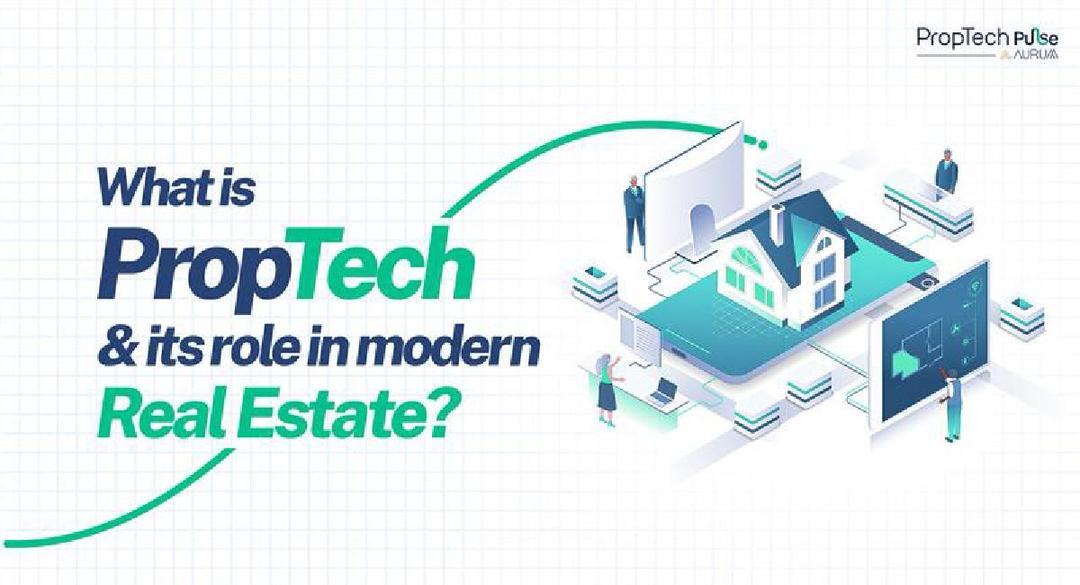
PropTech, or Property Technology, is driving this transformation by offering innovative digital solutions in the real estate sector. By using AI, ML, VR, data analysis, and automation, PropTech is streamlining real estate processes, enhancing efficiency, and boosting transparency, while also improving the interactions between businesses and their customers. The advancement in India is a fast-moving tide According to the country's gross domestic product, the domestic real estate market is predicted to rise from $200 billion in 2021 to $1 trillion in 2030, increasing its contribution to India's GDP from 11% to 13%. Between January 2021 and March 2023, $2.4 billion was invested, with $145 million for early-stage startups and $2.25 billion for companies in the growth stage. Undoubtedly, PropTech is altering the future of real estate. Key technologies driving PropTech in real estate Big data allows for more accurate property evaluations. Automation processes facilitate lead generation and streamline transactions. AI improves property management and customer service. PropTech will play a vital role in enhancing efficiency and transparency in India's real estate sector as the market continues to grow. The Evolution of PropTech: From Concept to Mainstream PropTech has transformed real estate over the last two decades. In the year 2000, PropTech 1.0 was launched, which was the main player in online property listings and digital tools for real estate agencies. This action made searching and selling houses a lot easier. The decade after this, called PropTech 2.0, is when customer-centric solutions came into play, such as digital marketing, CRM systems, and AR/VR technologies for property viewings, redefining how real estate sales and management were being done. We are now in the age of PropTech 3.0, which is driven by progress in artificial intelligence, blockchain, and data analysis. These technologies act as a glue to tie together all the system components, hence making transactions more intelligent, transparent, and efficient in terms of digital property financing. The evolution of PropTech in real estate is proceeding at lightning speed, and by 2047, India is anticipated to reach a $5.8 trillion real estate market with private equity stakes skyrocketing to $54 billion, which is a clear indication of PropTech's growing impact and significance. What is PropTech? PropTech is property technology, using digital tools and software with real estate to efficiently buy, sell, market, and manage properties by using technologies such as AI, ML, and data analytics, which convert old ways of doing things by supporting business and consumer prospects. PropTech vs Traditional Real Estate: Key Differences Technology Integration: PropTech uses AI, data analytics, and automation to streamline processes, whereas traditional real estate relies on manual processes and outdated systems. Efficiency: PropTech speeds up transactions, research, and management with tech tools, while traditional methods can be slow due to paper-based processes and human intermediaries. Transparency: PropTech offers real-time data, online listings, and digital contracts, whereas traditional real estate has limited transparency, often requiring in-person meetings. User Experience: PropTech enables virtual tours, easy access to properties, and automated tools, whereas traditional real estate typically involves physical property visits and more time-consuming processes. Cost-Efficiency: PropTech reduces costs by automating tasks and processes, while traditional real estate has higher operational costs due to manual work and less automation. Types of PropTech Solutions in Real Estate Residential PropTech The residential PropTech real estate sector includes gated communities, retirement centers, multifamily dwellings, and student accommodation, but it is not limited to only these. Access control products – mailbox rooms, entry code devices, and video door phones. Smart home devices – smart thermostat and smart lock. AI/Chatbot - The website chatbot and leasing AI are tools for property management. Commercial PropTech Commercial PropTech real estate includes office premises, shops, leisure venues, flexible working spaces, and manufacturers. Energy-management software integrates with the building systems to ensure that lights and indoor climates are set to energy-saver mode when unoccupied areas. Website management - It’s a booking system to prevent double bookings. Technology Trends Shaping the Future of PropTech Technology trends like Artificial Intelligence (AI), Machine Learning (ML), and automation are revolutionizing the real estate industry, driving improvements in property valuation, customer service, and property management processes, which is shaping the future of PropTech. Let us look into this thoroughly. Artificial Intelligence and Automation Advanced Methods of Property Valuations: Application of AI technology, where the market trends and sales are assessed to establish the property value and enable optimal pricing and investment decisions. AI Assistant: Virtual environments in PropTech Real Estate that respond and access information for their clients, schedule new meeting appointments, and even assist in property searches. Improved Efficiency of Property Management Services: Functions such as screening potential tenants and scheduling maintenance work are performed without human intervention, saving time and reducing costs. Managing Paperwork: AI identifies and retrieves important information contained in contracts resulting in minimal mistakes in PropTech Real Estate paperwork. Big Data and Analytics Data-Driven Insights: With big data, PropTech Real Estate experts can evaluate huge amounts of available information for better decisions on pricing, investing, and marketing in real estate. Predictive Analytics: Field specialists can also make use of predictive analytics for future unforeseen events such as rising rent prices, property value escalation, and other changes in market trends. Improved Decision-Making: Clients are looking for expert advice based on reliable evidence, which is why data analysis has become essential for real estate professionals. Virtual Reality (VR) and Augmented Reality (AR) Property Tours: Virtual reality (VR) in PropTech Real Estate is changing how properties are shown. Potential buyers can take immersive 3D tours of homes or commercial spaces, which helps them visualize the space without visiting in person, enhancing the real estate experience. AR for Property Viewings: Augmented reality (AR) in PropTech adds another layer to property viewings, letting clients access additional information like local schools, transportation options, and amenities right from their phones or tablets, making property searches more engaging. Broader Reach for Listings: VR and AR technologies in PropTech real estate help realtors expand their reach to clients who may not be able to visit properties in person, making listings accessible to a global audience and broadening the scope of PropTech Real Estate. Internet of Things (IoT) and Smart Buildings Smart Home Automation: IoT technology in PropTech Real Estate makes home living more convenient, where residents can control everything from lighting to security systems remotely simply with their smartphones, making their experience more exciting. Building Security: IoT is more easily implemented in PropTech Real Estate security systems, which include features like facial recognition, motion-detecting sensors, and live monitoring, delivering a much safer environment in which tenants may reside. Energy Efficiency: IoT gadgets in PropTech Real Estate monitor energy consumption in buildings, providing data about systems that enable the optimization of systems for increased efficiency and reduced costs. Blockchain in Real Estate Transactions Smart Contracts: Blockchain enables the automation of agreements with smart contracts, reducing the need for middlemen and speeding up transactions while ensuring greater accuracy in PropTech Real Estate. Transparency: Blockchain offers greater transparency by creating unalterable records of property transactions, helping buyers and sellers trust the process, and reducing fraud risks. Secure Transactions: With its decentralized and secure nature, blockchain ensures that property transfers are handled safely and efficiently, providing a higher level of security in PropTech Real Estate deals. Benefits of PropTech for Real Estate Stakeholders PropTech is significantly transforming the real estate industry, creating a more efficient, secure, and customer-focused experience for all stakeholders involved. Here’s how it benefits real estate professionals, investors, and consumers: Increased Efficiency and Cost Savings Automation: Property management, lease renewals, and transaction processing involve automation that reduces manual efforts and human error. Time Savings: A synergy of buyers, sellers, and agents allows for quick reach of buyers and enhanced work collaboration. Cost Optimization: All tasks, from predictive analysis to organizing operational property management, are handled within PropTech tools, assisting operations in making good use of the resources at their disposal and cutting back on administrative work. Improved Transparency and Data Security Smart Contracts and Blockchain: Users are protected with the provision of smart contracts by offering a secure, tamper-proof way of handling property, making certain that everyone will have access to correct and faultless records. Secure Transactions: Blockchain technology guarantees that transfers and ownership records in a PropTech Real Estate transaction cannot be altered, enhancing PropTech real estate transaction transparency. Depressed Fraud: With clear, verifiable transaction records and automated processes, the risk of fraud and disputes is significantly reduced. Better Customer Experience Seamless Journey: Virtual property tours, online documentation, and easy-to-use platforms offer potential buyers and tenants a smooth and convenient process from search to purchase or rental. Personalization: PropTech platforms use data analytics to match properties with buyers’ specific preferences, enhancing the overall experience. Speed: Transactions are faster, with digital platforms facilitating quick contract signings, easy communication, and prompt updates, allowing both buyers and sellers to complete deals more efficiently. The Future of PropTech The future of PropTech is digital-first, highlighting sustainability and AI-driven solutions. Adoption of smart building systems and renewable energy integration are two key ways to reduce carbon footprints, while AI will enable improved market predictions, customer interaction, and decision-making. PropTech will be the main driver of the new trends in the real estate sector that will be characterized by efficiency, transparency, and eco-friendliness. Sustainability and GreenTech in Real Estate Green technology is the mover of PropTech Real Estate toward sustainability by the implication of green practices. The smart building systems that use IoT and AI will optimize energy consumption, and the energy-efficient HVAC systems will cut down the running costs considerably. For the sector to embrace the green future, renewable energy sources such as solar panels and windmills are being used frequently, together with eco-friendly practices. The Role of AI in Predictive Market Analysis AI is revolutionizing the PropTech real estate industry by employing data to evaluate market trends, transaction prices, and customers' purchasing habits. It gives agents and homebuilders the freedom to act on the best investment opportunities, enhancing returns and making buying authentic for the buyers. With AI-based data, the property market is gaining from a better decision process, higher efficiency, and a more manageable market for the sector.
2nd January 2025

Market Trends
PropTech Venture Capital focuses on investing in groundbreaking technologies that are transforming the real estate industry. From smart building systems and home management software to digital platforms for property trading and advanced data analytics, PropTech is reshaping how properties are developed, managed, and exchanged. Let’s know about PropTech Venture Capital. This type of investment drives innovation in real estate by supporting cutting-edge technologies that streamline property management, enhance building functionality, and revolutionize the way real estate is bought and sold. Why is Proptech an Attractive Investment Area? Imagine a home that adjusts its energy use based on your preferences, saving you money. This innovation, powered by PropTech Venture Capital, attracts investors who want to be part of real estate’s digital revolution. The pandemic pushed digital trends forward, making virtual tours and remote management the new normal. PropTech Venture Capital is helping create platforms that make transactions easier and more engaging for customers. Additionally, PropTech Venture Capital is driving automation to reduce costs, making it an attractive investment as real estate continues to evolve. The Rise of Real Estate Technology Startups There is a rise in real estate technology startup businesses due to the new buying culture. Today, more than 75% of buyers search for homes on the Internet and nearly half check out the virtual reality of an apartment before buying it. Such change has brought about more emphasis on digital marketing which accounts for 70% of the sales budget. In addition, 44% of real estate agents use programs to generate leads and manage customers. These tendencies show that there is a rising need for innovative ideas, thus making it essential for tech startups to transform the market for real estate customers and agents alike. Market Trends Driving PropTech Innovation Digital Engagement: Online is now the first port of call for more than 75% of homebuyers, with 35% virtual tour users, showing why digital strategies must be highly innovative. Data Analytics: The global real estate analytics market is to reach $13.4 billion by 2024 due to rising demand for data-driven insights in investment and management decisions. Remote Work Trends: Time is turning into a routine with 32% of the workforce continuing to work remotely as the demand for houses that include dedicated office space and high-speed internet continues to expand the limits of buyer preferences. Smart Homes: The smart homes market is expected to reach $84.5 billion by 2024 as IoT devices improve living experiences and enhance property value. Key Technologies Disrupting the Real Estate Market Artificial Intelligence (AI): AI turns property management into an efficient matter by using chatbots, predictive analytics, and automated work to advance customer experiences and operational performance. Internet of Things (IoT): IoT integrates smart devices within homes, allowing one to monitor conditions in real time, increase energy efficiency, and yield higher tenant satisfaction by better grasping the property. Blockchain: Blockchain security involves electronic records that are viewable and tamper-proof. This also lessens dependencies on intermediaries, cost reductions, and the allowance of smart contracts for direct enforcement. How to Evaluate PropTech Investment Opportunities? When considering investments in proptech, it is important to assess opportunities strategically. A proptech startup's potential can be determined by various crucial factors demonstrating growth opportunities and long-term market viability. Key Factors to Consider Before Investing Product: The product must solve a real problem and offer a better solution than existing alternatives. Its potential for virality is key to driving organic growth. Innovation and Technology: Utilizing AI, IoT, and blockchain, the product should provide innovative solutions that enhance efficiency and address critical challenges in real estate. Market Demand: The product should fill an unmet need in the market, offering a superior alternative that raises the bar in real estate. Competitors: Analyze how the startup stands out in a competitive market and its ability to maintain a sustainable edge over rivals. Assessing the Scalability and Market Fit of a PropTech Startup "If you can’t measure it, you can’t improve it." – Lord Kelvin This timeless quote highlights the importance of evaluating key aspects of a PropTech startup to ensure its success. Assessing the scalability and market fit of a PropTech startup involves key considerations: Adaptability to Technology: The product must possess the flexibility to operate effectively across diverse real estate markets, ensuring wide-ranging relevance. Market Potential: There should be substantial opportunities for expansion within the target market, supporting the startup's growth. Potential for Growth: The revenue should be capable of increasing without a simultaneous increase in operational costs, demonstrating efficient scalability. Strategy for Acquiring Customers: The startup requires a sustainable approach to draw in and retain users, ensuring sustained engagement and loyalty. Types of PropTech Ventures to Invest In The changing PropTech industry offers promising investment prospects. Whether it's property management software or smart home and IoT innovations. Let’s dive into this to know more. The Top 5 Real Estate Marketplace Platforms AurumProptech Website: aurumproptech.com Aurum PropTech focuses on digital transformation in real estate, enhancing efficiency through PropTech innovation. NestAway Website: nestaway.com Provides a seamless rental platform that connects tenants with rental homes and simplifies property management for landlords. 99acres Website: 99acres.com One of India’s leading online real estate platforms, offering listings for residential, commercial, and rental properties across various cities. MagicBricks Website: magicbricks.com A prominent real estate marketplace in India, providing detailed listings for buying, renting, and selling properties and a wide array of services. Housing.com Website: housing.com A trusted platform that helps individuals find, buy, sell, or rent properties with a user-friendly interface and accurate listings across various cities. Challenges and Risks of PropTech Venture Capital Venturing into PropTech involves exciting opportunities but also comes with its fair share of challenges and risks. While innovation and technology promise to revolutionize the real estate sector, venture capitalists must navigate a complex landscape that combines traditional real estate practices with rapidly evolving technologies. Below are four key challenges and risks to consider: Market Volatility: The real estate market is inherently cyclical, with fluctuations in property prices, demand, and economic conditions. This volatility can impact the adoption and scalability of PropTech solutions, making it difficult for investors to predict returns accurately. Technology Obsolescence: PropTech relies on cutting-edge technologies like AI, blockchain, and AR/VR, which are evolving at a rapid pace. There’s a risk of investing in a solution that becomes outdated or fails to keep up with emerging trends, leading to lost capital. Regulatory and Legal Complexities: Real estate is heavily regulated, and integrating PropTech solutions often involves navigating complex legal and compliance frameworks. Changes in regulations or failure to comply with local laws can result in financial losses or operational setbacks. Adoption Barriers: The adoption of PropTech solutions often requires significant changes in behavior and processes within the traditionally slow-moving real estate sector. Resistance from stakeholders like real estate agents, developers, and buyers can hinder growth and limit a company’s scalability. Successful PropTech Venture Capital Investment Strategies "The best way to predict the future is to invent it." – Alan Kay To succeed in PropTech venture capital, a strategic and forward-thinking approach is crucial. Here are some key strategies: Focus on Emerging Tech: Prioritize investments in cutting-edge technologies like AI, blockchain, IoT, and smart building solutions to stay ahead of the curve. Diversify Your Portfolio: Mitigate risks by spreading investments across various PropTech segments such as property management, construction technology, and real estate platforms. Stay Trend-Savvy: The PropTech landscape is dynamic, with constant changes in technology and regulations. Staying informed about emerging trends and market shifts is essential for making sound investment decisions. Build Strategic Relationships: Forge strong connections with PropTech founders and other venture capital firms, including leading names like AurumProptech, NestaAway, and Nobroker to leverage industry insights and foster collaboration. The Future of PropTech Venture Capital: Trends to Watch As the PropTech sector continues to evolve, several emerging trends are shaping the future of venture capital investments. Investors looking to capitalize on the growth of this space should keep an eye on the following key trends: Sustainable and Green Technologies: Investors are increasingly focusing on PropTech solutions that promote sustainability, such as energy-efficient building systems, renewable energy integration, and carbon footprint monitoring tools. These technologies align with global efforts toward environmental responsibility. Smart Cities and Urban Tech: The rise of smart cities is driving investment in technologies that enhance urban living. PropTech solutions integrating IoT, AI, and big data for efficient urban planning, traffic management, and smart building designs are gaining significant traction. Real Estate Tokenization and Blockchain: Blockchain is enabling fractional ownership, smart contracts, and transparent property transactions. Tokenization of real estate assets is making property investments more accessible to a wider audience, attracting substantial venture capital interest. Focus on Affordability and Inclusivity: With housing affordability becoming a critical issue globally, PropTech solutions addressing affordable housing and co-living spaces are drawing attention from investors aiming to make a social impact. Cross-Border Investments: As PropTech solutions become globally scalable, venture capitalists are exploring cross-border opportunities to diversify portfolios and tap into emerging markets with high growth potential. Digital Platforms for Property Transactions: The demand for streamlined, digital property transaction platforms is increasing. Investors should focus on companies creating innovative solutions that simplify buying, selling, and renting properties, especially in the context of changing consumer behaviors and preferences for online services. How to Stay Ahead in the PropTech Venture Capital Market? Follow these strategies to stay ahead in the PropTech venture capital market: PropTech Trends Update: Track the latest emerging technologies such as Artificial Intelligence, blockchain, and IoT in real estate for spotting hot early payoff investments. Relevant Network: Connect with PropTech founders and investors. This gives you advanced access to hot deals besides getting market insights. Investment Diversification: Distribute your capital among various PropTech sectors like property management, construction tech, etc. Spread the risk further and maximize growth. Real Estate Regulation: Track changes in real estate laws. This enables you to know what goes on in the market, which can be considered risks or opportunities for you. How to Get Started with PropTech Venture Capital Investment To venture into the PropTech venture capital market, it's essential to understand the current real estate technology trends and establish connections with the appropriate stakeholders. Key Resources and Platforms for Investors The insights provided by these platforms are crucial for making investment decisions based on data: Aurum PropTech Pulse: A platform offering investment insights and data-driven analysis focused on the PropTech ecosystem, helping investors stay ahead of trends in real estate technology. PropStack: PropStack offers real-time data and analytics for commercial property, which allows investors to track properties and trends in India. Square Yards: Square Yards is a leading PropTech platform that offers real estate advisory, market insights, and property management. Getting in Touch with PropTech Venture Capital Firms It is important to maintain communication with some of the leading PropTech venture capital firms involved with PropTech to extend your network and seek knowledge. There is no better place to contact investors and founders than through LinkedIn, VC databases, and PropTech conferences. Investment firms such as Aurum PropTech and PropStack invest directly in PropTech. Reach them via email or networking events, and you are well on your way to a potential collaboration. Conclusion PropTech Venture Capital is a great investment opportunity as the real estate industry keeps changing. By investing in new technologies and understanding the risks, you can tap into huge growth potential. Success in PropTech Venture Capital comes from staying informed, using the right resources, and building strong networks. As the PropTech sector evolves, smart investments in PropTech Venture Capital can bring solid returns and help shape a more innovative, sustainable real estate future.
5th January 2025

Market Trends
Key Insights into the PropTech Market Let’s dig into the core factors driving this digital revolution. These insights will help you keep up with market changes and take advantage of growth opportunities. Market Overview and Growth Outlook As the real estate market evolves, the demand for tech-driven solutions has reached an all-time high. This shift isn't just a passing trend. Rather, it's a response to the realities of a fast-paced industry. With an impressive 16% compound annual growth rate (CAGR), the appetite for real-time data, operational efficiency, and enhanced customer experiences is propelling property managers, agents, and investors to adopt innovative technology. So, what are they really after? It’s simple → streamlined operations, reduced costs, and a user experience that keeps clients coming back for more. PropTech Market Growth - Factors and Challenges To understand this growth story, we need to look at two pivotal elements driving this expansion. AI and Machine Learning Adoption The adoption facilitates predictive analytics and personalized property recommendations, significantly impacting decision-making processes. A recent McKinsey report highlights that real estate companies leveraging AI have boosted their net operating income by over 10%. This improvement stems from enhanced operational efficiencies, allowing firms to make smarter investment decisions and better allocate resources. Cloud-Based Solutions Demand Next, the demand for cloud-based property management systems is growing, offering flexibility and scalability that traditional on-premise solutions struggle to match. This shift is evidenced by industry leaders who prioritize innovation and customer-centric strategies. Reflecting this shift, AppFolio closed Q4 2022 with a 30% revenue increase, reaching $124.1 million — a clear indicator of how cloud solutions are shaping the future. However, this overall PropTech market growth is not without its challenges. 78% of real estate professionals are concerned about cyber attacks. Issues such as cybersecurity threats, data privacy concerns, and a lack of regulatory framework for AI applications necessitate a vigilant approach to risk management. Balancing innovation with security will be key to leveraging the full potential of PropTech, ensuring that as we move forward, we do so with confidence. Impact of Digital Transformation on Real Estate Exploring properties from your couch or submitting an offer on a home while sipping coffee is now part of everyday life in real estate. This shift in consumer behavior compels real estate professionals to rethink their strategies and embrace new digital-first methods. Blockchain technology is one such advancement that stands out as a key player in enhancing transaction transparency. Platforms such as Propy are pioneering cross-border real estate transactions, streamlining the buying process and building trust among buyers and sellers. These advancements simplify what once were complex processes, making real estate more accessible than ever. Market Segmentation and Analysis Exploring PropTech market segments isn’t just for industry insiders. Therefore let’s look at the major segments shaping PropTech today, seeing who’s using what, the impact, and why it matters. Integrated Platforms vs. Standalone Software In the PropTech market, two solutions lead the way: More and more professionals in the industry are opting for integrated systems. Why? Because they help eliminate data silos and simplify cross-department communication. Real estate players recognize that integrated platforms allow for real-time oversight, helping them to scale operations without juggling multiple tools. All of which a standalone software cannot provide. Now, the issue in question is whether to choose a cloud-based or on-premise PropTech solution! Cloud-Based vs. On-Premise Solutions Cloud-based PropTech software solutions have become the preferred choice, making up 69% of real estate software deployments in 2023. The preference shift is largely due to the cloud’s scalability, lower upfront costs, and flexible access points. Sure, on-premise solutions still have their place in highly regulated markets, but even those are slowly giving way to the convenience of the cloud. Residential, Commercial, and Industrial Markets Building on these trends, each real estate market — residential, commercial, and industrial — has a unique PropTech adoption curve. Here’s how they differ: Residential Market: By 2022, residential PropTech had a substantial 58% market share, with platforms streamlining property listings, virtual tours, and tenant management. Zillow and Redfin continue to innovate, integrating AI-based virtual staging and 3D walkthroughs, attracting tech-savvy homebuyers. Commercial Market: Smart building solutions are on the rise, particularly in offices. Incorporating IoT to monitor energy use and enhance tenant engagement. Industrial Market: Logistics and warehouse management are increasingly adopting PropTech, though growth is still catching up to residential and commercial sectors. The focus is on enhancing inventory tracking, security, and operational efficiency. Real Estate Agents, Property Investors, and More In the past few years, PropTech solutions have reshaped the role of real estate agents and property investors: Real Estate Agents: Tools like Matterport for 3D virtual tours and automated valuation models (AVMs) for faster price analysis are empowering agents to enrich the client experience. In a recent survey, real estate agents reported 40% improved lead conversion rates after integrating virtual tours. Property Investors: With access to predictive analytics, investors are making data-backed decisions like never before. Platforms such as CompStak provide insights into leasing comps and market trends, helping investors reduce risks and maximize returns. Regional Insights: PropTech Growth Across the Globe PropTech is booming worldwide, but its growth trajectory looks different depending on where you are. North America: Key Market Drivers and Trends The USA is home to several leading PropTech firms. However, North America, in particular, is the leading hub for PropTech innovation, accounting for over 55% of global market share. Smart building technology Blockchain-based transactions These trends are particularly visible in tech-driven cities like San Francisco and New York due to their sustainable features. PropTech Growth in Europe: Challenges and Opportunities Europe’s PropTech market is expected to grow significantly, focusing on: Sustainable building solutions Green technology integration Countries like the UK and Germany are leading the charge, though regulatory hurdles and varying property laws across nations pose challenges for market expansion. The Fast-Paced Expansion in Asia-Pacific Markets With a 17% projected CAGR through 2030, Asia-Pacific is the fastest-growing PropTech region. Urbanization, rising incomes, and government-backed digital infrastructure in countries like China, Japan, and India fuel this surge. Emerging PropTech Markets in Latin America and Africa PropTech in Latin America and Africa is still in its early stages but shows potential. Mobile-first solutions for underserved markets are accelerating digital transformation in residential housing. PropTech Market Forecast: Trends to Watch Through 2034 After observing the trends, it's clear that the future of the PropTech market is evolving. Let’s take a closer look at the trends that are set to shape the industry over the next decade. Residential Property Market Outlook and Key Trends Imagine walking into a home where everything is automated, from lighting to temperature control. Key trends include: Home automation AI-based property recommendations Seamless remote management By 2030, virtual reality (VR) tours are expected to become a standard part of the buying process, making home shopping feel like a game rather than a chore. The Rise of Smart Building and IoT-Enabled Solutions The global demand for Internet of Things (IoT)-enabled smart buildings is expected to grow, with an increasing focus on: Energy management Tenant experience Predictive maintenance In 2022, about 307.8 million users engaged with IoT in smart homes — an impressive 88% jump since 2018. Competitive Landscape in the PropTech Industry Competition in PropTech is heating up, with both startups and established companies battling it out for market share. The real differentiator? Innovation. Companies that use: Data analytics AI Automation are enhancing the customer experience and coming out on top. Key Players in the PropTech Market Leading players in the PropTech market include: Opendoor Aurum PropTech These companies drive innovation with AI-based valuation models and blockchain transaction systems. Strategic Partnerships and Mergers in the PropTech Sector One trend to keep an eye on is strategic partnerships. For example: Opendoor and Redfin: Combining buying platforms with brokerage services to streamline real estate processes. JLL Technologies' acquisition of Building Engines: Strengthening capabilities in property management. Such collaborations reflect broader strategies to consolidate resources and enhance operational efficiency and customer experience. Similarly, JLL Technologies' acquisition of Building Engines underscores how companies are leveraging mergers to strengthen their capabilities in property management, highlighting the industry’s move toward more comprehensive, end-to-end tech solutions. New Entrants and Innovation in PropTech Solutions Startups focused on sustainable PropTech and decentralized real estate platforms are particularly notable. While established companies still dominate, these new entrants are offering fresh, innovative ways to buy, sell, and manage properties. With these partnerships and new entrants, it’s crucial to look ahead at the trends influencing the PropTech market in 2024. PropTech Market Trends in 2024 & What’s Next So, where is the PropTech market headed? Changing consumer expectations and technological advancements will continue to push the industry forward. Here are a few key trends to watch. Trend 1: The Impact of AI and Machine Learning in PropTech Enhanced Accuracy: AI improves tenant screening and property valuations. Predictive Insights: Machine learning analyzes trends, reducing risks. Focus on Strategy: Automating routine tasks allows professionals to strategize. Cost Efficiency: Lower operational costs through automation. Increased ROI: Better data leads to informed investment decisions. Trend 2: Blockchain and Real Estate: Revolutionizing Transactions Improved Transparency: A decentralized ledger enhances trust in transactions. Smart Contracts: Automates title management and escrow processes. Reduced Costs: Eliminates intermediaries, lowering transaction fees. Faster Closures: Speeds up the buying and selling process. Future Standardization: By the 2030s, blockchain will dominate real estate contracts. Trend 3: PropTech Adoption in Property Management and Investment Meeting Expectations: PropTech caters to the digital-native tenant demographic. Real-Time Data: IoT sensors help managers address issues proactively. AI-Driven Insights: Platforms provide market insights for investors. Optimized Returns: Streamlined processes enhance investment profitability. Tenant Satisfaction: Improved management leads to higher tenant retention. Trend 4: PropTech’s Role in the Post-Pandemic Real Estate Market Lasting Changes: Remote management and virtual tours become standard. Increased Demand: Consumers expect more convenience and efficiency. Long-Term Growth: The sector continues to expand due to changing needs. Innovative Solutions: New technologies emerge to address evolving challenges. Cultural Shift: A new norm is established in property interactions. Trend 5: The Future of Smart Cities and PropTech Solutions Urban Optimization: IoT helps manage traffic and energy usage. Sustainability Goals: PropTech contributes to eco-friendly city planning. Enhanced Quality of Life: Improved services and infrastructure for residents. Data-Driven Planning: City planners leverage real-time data for decisions. Collaborative Growth: Partnerships between PropTech and city planners increase. Trend 6: Sustainability and Green Tech in the PropTech Market Energy Efficiency: Focus on retrofitting buildings to reduce consumption like Sustainability Partners. Consumer Preference: Growing demand for eco-friendly solutions. Market Influence: Companies aligning with sustainability gain market traction. Carbon Footprint Reduction: Green tech initiatives lower environmental impact. Regulatory Support: Increasing regulations favor sustainable practices in real estate. In a nutshell The PropTech market is set for significant growth and change. As consumer expectations shift and technology advances, stakeholders need to stay flexible and creative to succeed. Looking ahead, the emphasis will be on sustainability, automation, and incorporating new technologies. As a leader in digital transformation, Aurum PropTech is revolutionizing the real estate landscape with innovative solutions. With over 14 cutting-edge products, like Aurum PropTech Pulse, and an impressive 75% share of India's PropTech market potential, Aurum is on the road to redefining the future of real estate.
31st December 2024

Market Trends
PropTech, or Property Technology, is driving this transformation by offering innovative digital solutions in the real estate sector. By using AI, ML, VR, data analysis, and automation, PropTech is streamlining real estate processes, enhancing efficiency, and boosting transparency, while also improving the interactions between businesses and their customers. The advancement in India is a fast-moving tide According to the country's gross domestic product, the domestic real estate market is predicted to rise from $200 billion in 2021 to $1 trillion in 2030, increasing its contribution to India's GDP from 11% to 13%. Between January 2021 and March 2023, $2.4 billion was invested, with $145 million for early-stage startups and $2.25 billion for companies in the growth stage. Undoubtedly, PropTech is altering the future of real estate. Key technologies driving PropTech in real estate Big data allows for more accurate property evaluations. Automation processes facilitate lead generation and streamline transactions. AI improves property management and customer service. PropTech will play a vital role in enhancing efficiency and transparency in India's real estate sector as the market continues to grow. The Evolution of PropTech: From Concept to Mainstream PropTech has transformed real estate over the last two decades. In the year 2000, PropTech 1.0 was launched, which was the main player in online property listings and digital tools for real estate agencies. This action made searching and selling houses a lot easier. The decade after this, called PropTech 2.0, is when customer-centric solutions came into play, such as digital marketing, CRM systems, and AR/VR technologies for property viewings, redefining how real estate sales and management were being done. We are now in the age of PropTech 3.0, which is driven by progress in artificial intelligence, blockchain, and data analysis. These technologies act as a glue to tie together all the system components, hence making transactions more intelligent, transparent, and efficient in terms of digital property financing. The evolution of PropTech in real estate is proceeding at lightning speed, and by 2047, India is anticipated to reach a $5.8 trillion real estate market with private equity stakes skyrocketing to $54 billion, which is a clear indication of PropTech's growing impact and significance. What is PropTech? PropTech is property technology, using digital tools and software with real estate to efficiently buy, sell, market, and manage properties by using technologies such as AI, ML, and data analytics, which convert old ways of doing things by supporting business and consumer prospects. PropTech vs Traditional Real Estate: Key Differences Technology Integration: PropTech uses AI, data analytics, and automation to streamline processes, whereas traditional real estate relies on manual processes and outdated systems. Efficiency: PropTech speeds up transactions, research, and management with tech tools, while traditional methods can be slow due to paper-based processes and human intermediaries. Transparency: PropTech offers real-time data, online listings, and digital contracts, whereas traditional real estate has limited transparency, often requiring in-person meetings. User Experience: PropTech enables virtual tours, easy access to properties, and automated tools, whereas traditional real estate typically involves physical property visits and more time-consuming processes. Cost-Efficiency: PropTech reduces costs by automating tasks and processes, while traditional real estate has higher operational costs due to manual work and less automation. Types of PropTech Solutions in Real Estate Residential PropTech The residential PropTech real estate sector includes gated communities, retirement centers, multifamily dwellings, and student accommodation, but it is not limited to only these. Access control products – mailbox rooms, entry code devices, and video door phones. Smart home devices – smart thermostat and smart lock. AI/Chatbot - The website chatbot and leasing AI are tools for property management. Commercial PropTech Commercial PropTech real estate includes office premises, shops, leisure venues, flexible working spaces, and manufacturers. Energy-management software integrates with the building systems to ensure that lights and indoor climates are set to energy-saver mode when unoccupied areas. Website management - It’s a booking system to prevent double bookings. Technology Trends Shaping the Future of PropTech Technology trends like Artificial Intelligence (AI), Machine Learning (ML), and automation are revolutionizing the real estate industry, driving improvements in property valuation, customer service, and property management processes, which is shaping the future of PropTech. Let us look into this thoroughly. Artificial Intelligence and Automation Advanced Methods of Property Valuations: Application of AI technology, where the market trends and sales are assessed to establish the property value and enable optimal pricing and investment decisions. AI Assistant: Virtual environments in PropTech Real Estate that respond and access information for their clients, schedule new meeting appointments, and even assist in property searches. Improved Efficiency of Property Management Services: Functions such as screening potential tenants and scheduling maintenance work are performed without human intervention, saving time and reducing costs. Managing Paperwork: AI identifies and retrieves important information contained in contracts resulting in minimal mistakes in PropTech Real Estate paperwork. Big Data and Analytics Data-Driven Insights: With big data, PropTech Real Estate experts can evaluate huge amounts of available information for better decisions on pricing, investing, and marketing in real estate. Predictive Analytics: Field specialists can also make use of predictive analytics for future unforeseen events such as rising rent prices, property value escalation, and other changes in market trends. Improved Decision-Making: Clients are looking for expert advice based on reliable evidence, which is why data analysis has become essential for real estate professionals. Virtual Reality (VR) and Augmented Reality (AR) Property Tours: Virtual reality (VR) in PropTech Real Estate is changing how properties are shown. Potential buyers can take immersive 3D tours of homes or commercial spaces, which helps them visualize the space without visiting in person, enhancing the real estate experience. AR for Property Viewings: Augmented reality (AR) in PropTech adds another layer to property viewings, letting clients access additional information like local schools, transportation options, and amenities right from their phones or tablets, making property searches more engaging. Broader Reach for Listings: VR and AR technologies in PropTech real estate help realtors expand their reach to clients who may not be able to visit properties in person, making listings accessible to a global audience and broadening the scope of PropTech Real Estate. Internet of Things (IoT) and Smart Buildings Smart Home Automation: IoT technology in PropTech Real Estate makes home living more convenient, where residents can control everything from lighting to security systems remotely simply with their smartphones, making their experience more exciting. Building Security: IoT is more easily implemented in PropTech Real Estate security systems, which include features like facial recognition, motion-detecting sensors, and live monitoring, delivering a much safer environment in which tenants may reside. Energy Efficiency: IoT gadgets in PropTech Real Estate monitor energy consumption in buildings, providing data about systems that enable the optimization of systems for increased efficiency and reduced costs. Blockchain in Real Estate Transactions Smart Contracts: Blockchain enables the automation of agreements with smart contracts, reducing the need for middlemen and speeding up transactions while ensuring greater accuracy in PropTech Real Estate. Transparency: Blockchain offers greater transparency by creating unalterable records of property transactions, helping buyers and sellers trust the process, and reducing fraud risks. Secure Transactions: With its decentralized and secure nature, blockchain ensures that property transfers are handled safely and efficiently, providing a higher level of security in PropTech Real Estate deals. Benefits of PropTech for Real Estate Stakeholders PropTech is significantly transforming the real estate industry, creating a more efficient, secure, and customer-focused experience for all stakeholders involved. Here’s how it benefits real estate professionals, investors, and consumers: Increased Efficiency and Cost Savings Automation: Property management, lease renewals, and transaction processing involve automation that reduces manual efforts and human error. Time Savings: A synergy of buyers, sellers, and agents allows for quick reach of buyers and enhanced work collaboration. Cost Optimization: All tasks, from predictive analysis to organizing operational property management, are handled within PropTech tools, assisting operations in making good use of the resources at their disposal and cutting back on administrative work. Improved Transparency and Data Security Smart Contracts and Blockchain: Users are protected with the provision of smart contracts by offering a secure, tamper-proof way of handling property, making certain that everyone will have access to correct and faultless records. Secure Transactions: Blockchain technology guarantees that transfers and ownership records in a PropTech Real Estate transaction cannot be altered, enhancing PropTech real estate transaction transparency. Depressed Fraud: With clear, verifiable transaction records and automated processes, the risk of fraud and disputes is significantly reduced. Better Customer Experience Seamless Journey: Virtual property tours, online documentation, and easy-to-use platforms offer potential buyers and tenants a smooth and convenient process from search to purchase or rental. Personalization: PropTech platforms use data analytics to match properties with buyers’ specific preferences, enhancing the overall experience. Speed: Transactions are faster, with digital platforms facilitating quick contract signings, easy communication, and prompt updates, allowing both buyers and sellers to complete deals more efficiently. The Future of PropTech The future of PropTech is digital-first, highlighting sustainability and AI-driven solutions. Adoption of smart building systems and renewable energy integration are two key ways to reduce carbon footprints, while AI will enable improved market predictions, customer interaction, and decision-making. PropTech will be the main driver of the new trends in the real estate sector that will be characterized by efficiency, transparency, and eco-friendliness. Sustainability and GreenTech in Real Estate Green technology is the mover of PropTech Real Estate toward sustainability by the implication of green practices. The smart building systems that use IoT and AI will optimize energy consumption, and the energy-efficient HVAC systems will cut down the running costs considerably. For the sector to embrace the green future, renewable energy sources such as solar panels and windmills are being used frequently, together with eco-friendly practices. The Role of AI in Predictive Market Analysis AI is revolutionizing the PropTech real estate industry by employing data to evaluate market trends, transaction prices, and customers' purchasing habits. It gives agents and homebuilders the freedom to act on the best investment opportunities, enhancing returns and making buying authentic for the buyers. With AI-based data, the property market is gaining from a better decision process, higher efficiency, and a more manageable market for the sector.
2nd January 2025


News, Infographics, Blogs & More! Delivered to your inbox.