







Industrial real estate refers to properties used for manufacturing, production, storage, and distribution of goods. These properties are essential for supporting supply chains, logistics operations, and industrial activities. Unlike residential or commercial real estate, industrial properties are designed for operational efficiency rather than living or retail use.
Industrial real estate plays a crucial role in supporting manufacturing, logistics, and supply chain operations. Its growing demand, driven by e-commerce and infrastructure development, makes it a strong and stable investment option in the real estate market.

Rental Market
If you’re about to dive into the world of working full-time in a new city, first off, congrats! Now, let’s talk about the not-so-glamorous part—finding a place to call home that isn’t a PG. If you’re ready to move beyond the shared bed and curfew life and want to take on the glorious chaos of living independently, buckle up because this post is your ultimate survival guide. Step 1: Define Your Budget The first step in finding your ideal flat is setting your rent limit. This is non-negotiable. Rule of Thumb: Your rent should not exceed 20% of your monthly income. Stretching the Budget: In rare cases (like finding your dream flat), you might stretch it to 30%, but be cautious. Example: If your monthly income is ₹50,000, aim for a flat with rent around ₹10,000 to ₹15,000. This ensures you have enough left over for food, utilities, and fun without living paycheck to paycheck. Step 2: Research Like a Pro Start your research at least a month before you move to the city. The internet is your best friend here. Best Websites for Listings: Nestaway, Housing, NoBroker, MagicBricks, and 99acres. Check Trends: Look for price ranges in different neighbourhoods. Note down patterns—this will help when it’s time to negotiate. Pro Tip: Create a shortlist of 5-6 properties that meet your criteria to save time during house visits. Step 3: Choose Your Flatmate Wisely Flatmates can be the deciding factor between a comfortable living situation and a nightmare. Why Flatmates Matter: They help share costs, including rent and utilities. Things to Look For: Similar schedules, compatible habits (cleanliness, noise levels), and shared interests. Red Flag: If they seem unreliable during initial interactions, trust your gut and look for someone else. Remember, a good flatmate can make even an average flat feel like home. Step 4: Location, Location, Location Finding the perfect location is like striking gold. Your flat’s location impacts your commute, lifestyle, and even your expenses. Proximity to the Office: Aim for a commute under 30 minutes if possible. Nearby Amenities: Grocery stores, gyms, public transport. Safety: Check the neighbourhood's safety rating or ask locals. Pro Tip: Visit the area during different times of the day to get a feel for noise, traffic, and overall vibe. Step 5: The Art of Negotiation Renting isn’t just about picking a flat; it’s also about getting the best deal. How to Negotiate: Use your research to highlight average rents in the area and point out any flaws in the property (if any). Be Ready to Walk Away: If the landlord isn’t willing to budge, don’t feel pressured to agree. Pro Tip: Landlords are often more flexible towards the end of the month when they’re eager to fill vacancies. Step 6: Broker or No Broker? You’ll likely come across brokers during your search. They can be helpful but also come with costs. When to Use Brokers: If you’re short on time or struggling to find options on your own. How to Choose the Right Broker: Focus on those with multiple listings that match your preferences. Pro Tip: Negotiate the broker’s fee upfront. The standard is one month’s rent, but you can often negotiate it down to half. Step 7: Visit Flats with a Checklist When visiting flats, don’t just rely on the first impression. Use this checklist to evaluate each property: Condition of the Flat: Look for leaks, mould, or damage. Connectivity: Check mobile and Wi-Fi signals inside the flat. Appliances and Furniture: Confirm what’s included in the rent. Neighbours: Friendly or noisy? Pro Tip: Take photos during visits to compare later, especially if you’re seeing multiple flats in a day. Step 8: Seal the Deal Once you’ve found the perfect flat, it’s time to finalise the agreement. Read the Lease Agreement Thoroughly: Ensure it includes details like rent, deposit, notice period, and maintenance charges. Get Everything in Writing: Avoid verbal agreements to prevent future disputes. Pro Tip: Check if the flat requires any immediate repairs and ask the landlord to address these before you move in. Bonus Tips for First-Time Renters Prepare Your Documents: Landlords often ask for ID proof, employment details, and a security deposit. Have these ready to speed up the process. Beware of Scams: Avoid paying deposits without visiting the property in person. Plan Your Move: Arrange for packers and movers in advance if needed. Conclusion: Finding Your Home Sweet Home House hunting for the first time can be overwhelming, but with the right strategy, it becomes manageable—and even enjoyable! Remember, the goal isn’t perfection; it’s finding a place that balances your needs and feels like home. Good luck on your flat hunt, and welcome to the adventure of independent living!
22nd December 2024

Market Trends
Key Insights into the PropTech Market Let’s dig into the core factors driving this digital revolution. These insights will help you keep up with market changes and take advantage of growth opportunities. Market Overview and Growth Outlook As the real estate market evolves, the demand for tech-driven solutions has reached an all-time high. This shift isn't just a passing trend. Rather, it's a response to the realities of a fast-paced industry. With an impressive 16% compound annual growth rate (CAGR), the appetite for real-time data, operational efficiency, and enhanced customer experiences is propelling property managers, agents, and investors to adopt innovative technology. So, what are they really after? It’s simple → streamlined operations, reduced costs, and a user experience that keeps clients coming back for more. PropTech Market Growth - Factors and Challenges To understand this growth story, we need to look at two pivotal elements driving this expansion. AI and Machine Learning Adoption The adoption facilitates predictive analytics and personalized property recommendations, significantly impacting decision-making processes. A recent McKinsey report highlights that real estate companies leveraging AI have boosted their net operating income by over 10%. This improvement stems from enhanced operational efficiencies, allowing firms to make smarter investment decisions and better allocate resources. Cloud-Based Solutions Demand Next, the demand for cloud-based property management systems is growing, offering flexibility and scalability that traditional on-premise solutions struggle to match. This shift is evidenced by industry leaders who prioritize innovation and customer-centric strategies. Reflecting this shift, AppFolio closed Q4 2022 with a 30% revenue increase, reaching $124.1 million — a clear indicator of how cloud solutions are shaping the future. However, this overall PropTech market growth is not without its challenges. 78% of real estate professionals are concerned about cyber attacks. Issues such as cybersecurity threats, data privacy concerns, and a lack of regulatory framework for AI applications necessitate a vigilant approach to risk management. Balancing innovation with security will be key to leveraging the full potential of PropTech, ensuring that as we move forward, we do so with confidence. Impact of Digital Transformation on Real Estate Exploring properties from your couch or submitting an offer on a home while sipping coffee is now part of everyday life in real estate. This shift in consumer behavior compels real estate professionals to rethink their strategies and embrace new digital-first methods. Blockchain technology is one such advancement that stands out as a key player in enhancing transaction transparency. Platforms such as Propy are pioneering cross-border real estate transactions, streamlining the buying process and building trust among buyers and sellers. These advancements simplify what once were complex processes, making real estate more accessible than ever. Market Segmentation and Analysis Exploring PropTech market segments isn’t just for industry insiders. Therefore let’s look at the major segments shaping PropTech today, seeing who’s using what, the impact, and why it matters. Integrated Platforms vs. Standalone Software In the PropTech market, two solutions lead the way: More and more professionals in the industry are opting for integrated systems. Why? Because they help eliminate data silos and simplify cross-department communication. Real estate players recognize that integrated platforms allow for real-time oversight, helping them to scale operations without juggling multiple tools. All of which a standalone software cannot provide. Now, the issue in question is whether to choose a cloud-based or on-premise PropTech solution! Cloud-Based vs. On-Premise Solutions Cloud-based PropTech software solutions have become the preferred choice, making up 69% of real estate software deployments in 2023. The preference shift is largely due to the cloud’s scalability, lower upfront costs, and flexible access points. Sure, on-premise solutions still have their place in highly regulated markets, but even those are slowly giving way to the convenience of the cloud. Residential, Commercial, and Industrial Markets Building on these trends, each real estate market — residential, commercial, and industrial — has a unique PropTech adoption curve. Here’s how they differ: Residential Market: By 2022, residential PropTech had a substantial 58% market share, with platforms streamlining property listings, virtual tours, and tenant management. Zillow and Redfin continue to innovate, integrating AI-based virtual staging and 3D walkthroughs, attracting tech-savvy homebuyers. Commercial Market: Smart building solutions are on the rise, particularly in offices. Incorporating IoT to monitor energy use and enhance tenant engagement. Industrial Market: Logistics and warehouse management are increasingly adopting PropTech, though growth is still catching up to residential and commercial sectors. The focus is on enhancing inventory tracking, security, and operational efficiency. Real Estate Agents, Property Investors, and More In the past few years, PropTech solutions have reshaped the role of real estate agents and property investors: Real Estate Agents: Tools like Matterport for 3D virtual tours and automated valuation models (AVMs) for faster price analysis are empowering agents to enrich the client experience. In a recent survey, real estate agents reported 40% improved lead conversion rates after integrating virtual tours. Property Investors: With access to predictive analytics, investors are making data-backed decisions like never before. Platforms such as CompStak provide insights into leasing comps and market trends, helping investors reduce risks and maximize returns. Regional Insights: PropTech Growth Across the Globe PropTech is booming worldwide, but its growth trajectory looks different depending on where you are. North America: Key Market Drivers and Trends The USA is home to several leading PropTech firms. However, North America, in particular, is the leading hub for PropTech innovation, accounting for over 55% of global market share. Smart building technology Blockchain-based transactions These trends are particularly visible in tech-driven cities like San Francisco and New York due to their sustainable features. PropTech Growth in Europe: Challenges and Opportunities Europe’s PropTech market is expected to grow significantly, focusing on: Sustainable building solutions Green technology integration Countries like the UK and Germany are leading the charge, though regulatory hurdles and varying property laws across nations pose challenges for market expansion. The Fast-Paced Expansion in Asia-Pacific Markets With a 17% projected CAGR through 2030, Asia-Pacific is the fastest-growing PropTech region. Urbanization, rising incomes, and government-backed digital infrastructure in countries like China, Japan, and India fuel this surge. Emerging PropTech Markets in Latin America and Africa PropTech in Latin America and Africa is still in its early stages but shows potential. Mobile-first solutions for underserved markets are accelerating digital transformation in residential housing. PropTech Market Forecast: Trends to Watch Through 2034 After observing the trends, it's clear that the future of the PropTech market is evolving. Let’s take a closer look at the trends that are set to shape the industry over the next decade. Residential Property Market Outlook and Key Trends Imagine walking into a home where everything is automated, from lighting to temperature control. Key trends include: Home automation AI-based property recommendations Seamless remote management By 2030, virtual reality (VR) tours are expected to become a standard part of the buying process, making home shopping feel like a game rather than a chore. The Rise of Smart Building and IoT-Enabled Solutions The global demand for Internet of Things (IoT)-enabled smart buildings is expected to grow, with an increasing focus on: Energy management Tenant experience Predictive maintenance In 2022, about 307.8 million users engaged with IoT in smart homes — an impressive 88% jump since 2018. Competitive Landscape in the PropTech Industry Competition in PropTech is heating up, with both startups and established companies battling it out for market share. The real differentiator? Innovation. Companies that use: Data analytics AI Automation are enhancing the customer experience and coming out on top. Key Players in the PropTech Market Leading players in the PropTech market include: Opendoor Aurum PropTech These companies drive innovation with AI-based valuation models and blockchain transaction systems. Strategic Partnerships and Mergers in the PropTech Sector One trend to keep an eye on is strategic partnerships. For example: Opendoor and Redfin: Combining buying platforms with brokerage services to streamline real estate processes. JLL Technologies' acquisition of Building Engines: Strengthening capabilities in property management. Such collaborations reflect broader strategies to consolidate resources and enhance operational efficiency and customer experience. Similarly, JLL Technologies' acquisition of Building Engines underscores how companies are leveraging mergers to strengthen their capabilities in property management, highlighting the industry’s move toward more comprehensive, end-to-end tech solutions. New Entrants and Innovation in PropTech Solutions Startups focused on sustainable PropTech and decentralized real estate platforms are particularly notable. While established companies still dominate, these new entrants are offering fresh, innovative ways to buy, sell, and manage properties. With these partnerships and new entrants, it’s crucial to look ahead at the trends influencing the PropTech market in 2024. PropTech Market Trends in 2024 & What’s Next So, where is the PropTech market headed? Changing consumer expectations and technological advancements will continue to push the industry forward. Here are a few key trends to watch. Trend 1: The Impact of AI and Machine Learning in PropTech Enhanced Accuracy: AI improves tenant screening and property valuations. Predictive Insights: Machine learning analyzes trends, reducing risks. Focus on Strategy: Automating routine tasks allows professionals to strategize. Cost Efficiency: Lower operational costs through automation. Increased ROI: Better data leads to informed investment decisions. Trend 2: Blockchain and Real Estate: Revolutionizing Transactions Improved Transparency: A decentralized ledger enhances trust in transactions. Smart Contracts: Automates title management and escrow processes. Reduced Costs: Eliminates intermediaries, lowering transaction fees. Faster Closures: Speeds up the buying and selling process. Future Standardization: By the 2030s, blockchain will dominate real estate contracts. Trend 3: PropTech Adoption in Property Management and Investment Meeting Expectations: PropTech caters to the digital-native tenant demographic. Real-Time Data: IoT sensors help managers address issues proactively. AI-Driven Insights: Platforms provide market insights for investors. Optimized Returns: Streamlined processes enhance investment profitability. Tenant Satisfaction: Improved management leads to higher tenant retention. Trend 4: PropTech’s Role in the Post-Pandemic Real Estate Market Lasting Changes: Remote management and virtual tours become standard. Increased Demand: Consumers expect more convenience and efficiency. Long-Term Growth: The sector continues to expand due to changing needs. Innovative Solutions: New technologies emerge to address evolving challenges. Cultural Shift: A new norm is established in property interactions. Trend 5: The Future of Smart Cities and PropTech Solutions Urban Optimization: IoT helps manage traffic and energy usage. Sustainability Goals: PropTech contributes to eco-friendly city planning. Enhanced Quality of Life: Improved services and infrastructure for residents. Data-Driven Planning: City planners leverage real-time data for decisions. Collaborative Growth: Partnerships between PropTech and city planners increase. Trend 6: Sustainability and Green Tech in the PropTech Market Energy Efficiency: Focus on retrofitting buildings to reduce consumption like Sustainability Partners. Consumer Preference: Growing demand for eco-friendly solutions. Market Influence: Companies aligning with sustainability gain market traction. Carbon Footprint Reduction: Green tech initiatives lower environmental impact. Regulatory Support: Increasing regulations favor sustainable practices in real estate. In a nutshell The PropTech market is set for significant growth and change. As consumer expectations shift and technology advances, stakeholders need to stay flexible and creative to succeed. Looking ahead, the emphasis will be on sustainability, automation, and incorporating new technologies. As a leader in digital transformation, Aurum PropTech is revolutionizing the real estate landscape with innovative solutions. With over 14 cutting-edge products, like Aurum PropTech Pulse, and an impressive 75% share of India's PropTech market potential, Aurum is on the road to redefining the future of real estate.
31st December 2024

Market Trends
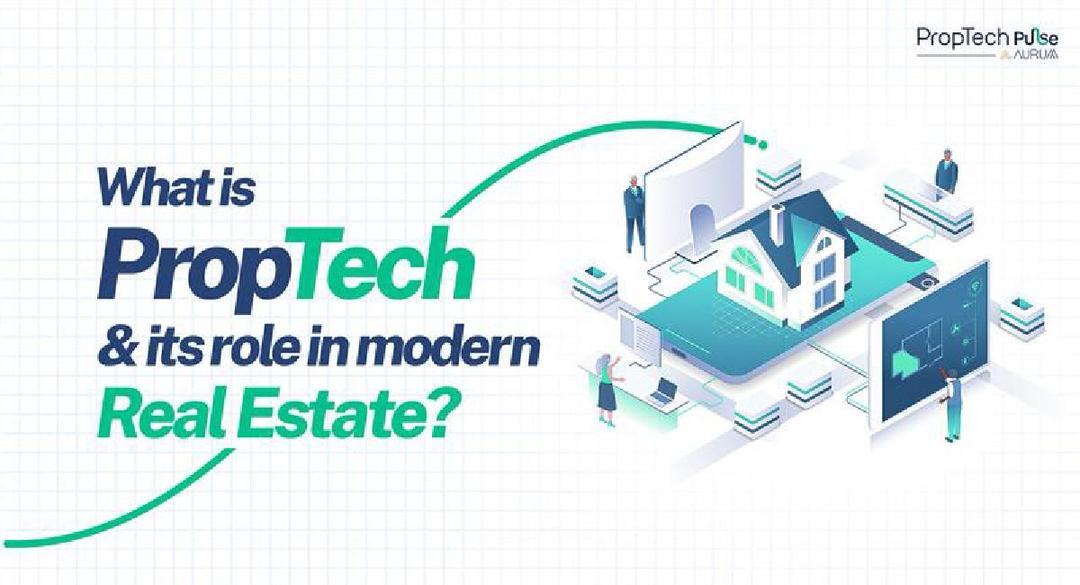
PropTech, or Property Technology, is driving this transformation by offering innovative digital solutions in the real estate sector. By using AI, ML, VR, data analysis, and automation, PropTech is streamlining real estate processes, enhancing efficiency, and boosting transparency, while also improving the interactions between businesses and their customers. The advancement in India is a fast-moving tide According to the country's gross domestic product, the domestic real estate market is predicted to rise from $200 billion in 2021 to $1 trillion in 2030, increasing its contribution to India's GDP from 11% to 13%. Between January 2021 and March 2023, $2.4 billion was invested, with $145 million for early-stage startups and $2.25 billion for companies in the growth stage. Undoubtedly, PropTech is altering the future of real estate. Key technologies driving PropTech in real estate Big data allows for more accurate property evaluations. Automation processes facilitate lead generation and streamline transactions. AI improves property management and customer service. PropTech will play a vital role in enhancing efficiency and transparency in India's real estate sector as the market continues to grow. The Evolution of PropTech: From Concept to Mainstream PropTech has transformed real estate over the last two decades. In the year 2000, PropTech 1.0 was launched, which was the main player in online property listings and digital tools for real estate agencies. This action made searching and selling houses a lot easier. The decade after this, called PropTech 2.0, is when customer-centric solutions came into play, such as digital marketing, CRM systems, and AR/VR technologies for property viewings, redefining how real estate sales and management were being done. We are now in the age of PropTech 3.0, which is driven by progress in artificial intelligence, blockchain, and data analysis. These technologies act as a glue to tie together all the system components, hence making transactions more intelligent, transparent, and efficient in terms of digital property financing. The evolution of PropTech in real estate is proceeding at lightning speed, and by 2047, India is anticipated to reach a $5.8 trillion real estate market with private equity stakes skyrocketing to $54 billion, which is a clear indication of PropTech's growing impact and significance. What is PropTech? PropTech is property technology, using digital tools and software with real estate to efficiently buy, sell, market, and manage properties by using technologies such as AI, ML, and data analytics, which convert old ways of doing things by supporting business and consumer prospects. PropTech vs Traditional Real Estate: Key Differences Technology Integration: PropTech uses AI, data analytics, and automation to streamline processes, whereas traditional real estate relies on manual processes and outdated systems. Efficiency: PropTech speeds up transactions, research, and management with tech tools, while traditional methods can be slow due to paper-based processes and human intermediaries. Transparency: PropTech offers real-time data, online listings, and digital contracts, whereas traditional real estate has limited transparency, often requiring in-person meetings. User Experience: PropTech enables virtual tours, easy access to properties, and automated tools, whereas traditional real estate typically involves physical property visits and more time-consuming processes. Cost-Efficiency: PropTech reduces costs by automating tasks and processes, while traditional real estate has higher operational costs due to manual work and less automation. Types of PropTech Solutions in Real Estate Residential PropTech The residential PropTech real estate sector includes gated communities, retirement centers, multifamily dwellings, and student accommodation, but it is not limited to only these. Access control products – mailbox rooms, entry code devices, and video door phones. Smart home devices – smart thermostat and smart lock. AI/Chatbot - The website chatbot and leasing AI are tools for property management. Commercial PropTech Commercial PropTech real estate includes office premises, shops, leisure venues, flexible working spaces, and manufacturers. Energy-management software integrates with the building systems to ensure that lights and indoor climates are set to energy-saver mode when unoccupied areas. Website management - It’s a booking system to prevent double bookings. Technology Trends Shaping the Future of PropTech Technology trends like Artificial Intelligence (AI), Machine Learning (ML), and automation are revolutionizing the real estate industry, driving improvements in property valuation, customer service, and property management processes, which is shaping the future of PropTech. Let us look into this thoroughly. Artificial Intelligence and Automation Advanced Methods of Property Valuations: Application of AI technology, where the market trends and sales are assessed to establish the property value and enable optimal pricing and investment decisions. AI Assistant: Virtual environments in PropTech Real Estate that respond and access information for their clients, schedule new meeting appointments, and even assist in property searches. Improved Efficiency of Property Management Services: Functions such as screening potential tenants and scheduling maintenance work are performed without human intervention, saving time and reducing costs. Managing Paperwork: AI identifies and retrieves important information contained in contracts resulting in minimal mistakes in PropTech Real Estate paperwork. Big Data and Analytics Data-Driven Insights: With big data, PropTech Real Estate experts can evaluate huge amounts of available information for better decisions on pricing, investing, and marketing in real estate. Predictive Analytics: Field specialists can also make use of predictive analytics for future unforeseen events such as rising rent prices, property value escalation, and other changes in market trends. Improved Decision-Making: Clients are looking for expert advice based on reliable evidence, which is why data analysis has become essential for real estate professionals. Virtual Reality (VR) and Augmented Reality (AR) Property Tours: Virtual reality (VR) in PropTech Real Estate is changing how properties are shown. Potential buyers can take immersive 3D tours of homes or commercial spaces, which helps them visualize the space without visiting in person, enhancing the real estate experience. AR for Property Viewings: Augmented reality (AR) in PropTech adds another layer to property viewings, letting clients access additional information like local schools, transportation options, and amenities right from their phones or tablets, making property searches more engaging. Broader Reach for Listings: VR and AR technologies in PropTech real estate help realtors expand their reach to clients who may not be able to visit properties in person, making listings accessible to a global audience and broadening the scope of PropTech Real Estate. Internet of Things (IoT) and Smart Buildings Smart Home Automation: IoT technology in PropTech Real Estate makes home living more convenient, where residents can control everything from lighting to security systems remotely simply with their smartphones, making their experience more exciting. Building Security: IoT is more easily implemented in PropTech Real Estate security systems, which include features like facial recognition, motion-detecting sensors, and live monitoring, delivering a much safer environment in which tenants may reside. Energy Efficiency: IoT gadgets in PropTech Real Estate monitor energy consumption in buildings, providing data about systems that enable the optimization of systems for increased efficiency and reduced costs. Blockchain in Real Estate Transactions Smart Contracts: Blockchain enables the automation of agreements with smart contracts, reducing the need for middlemen and speeding up transactions while ensuring greater accuracy in PropTech Real Estate. Transparency: Blockchain offers greater transparency by creating unalterable records of property transactions, helping buyers and sellers trust the process, and reducing fraud risks. Secure Transactions: With its decentralized and secure nature, blockchain ensures that property transfers are handled safely and efficiently, providing a higher level of security in PropTech Real Estate deals. Benefits of PropTech for Real Estate Stakeholders PropTech is significantly transforming the real estate industry, creating a more efficient, secure, and customer-focused experience for all stakeholders involved. Here’s how it benefits real estate professionals, investors, and consumers: Increased Efficiency and Cost Savings Automation: Property management, lease renewals, and transaction processing involve automation that reduces manual efforts and human error. Time Savings: A synergy of buyers, sellers, and agents allows for quick reach of buyers and enhanced work collaboration. Cost Optimization: All tasks, from predictive analysis to organizing operational property management, are handled within PropTech tools, assisting operations in making good use of the resources at their disposal and cutting back on administrative work. Improved Transparency and Data Security Smart Contracts and Blockchain: Users are protected with the provision of smart contracts by offering a secure, tamper-proof way of handling property, making certain that everyone will have access to correct and faultless records. Secure Transactions: Blockchain technology guarantees that transfers and ownership records in a PropTech Real Estate transaction cannot be altered, enhancing PropTech real estate transaction transparency. Depressed Fraud: With clear, verifiable transaction records and automated processes, the risk of fraud and disputes is significantly reduced. Better Customer Experience Seamless Journey: Virtual property tours, online documentation, and easy-to-use platforms offer potential buyers and tenants a smooth and convenient process from search to purchase or rental. Personalization: PropTech platforms use data analytics to match properties with buyers’ specific preferences, enhancing the overall experience. Speed: Transactions are faster, with digital platforms facilitating quick contract signings, easy communication, and prompt updates, allowing both buyers and sellers to complete deals more efficiently. The Future of PropTech The future of PropTech is digital-first, highlighting sustainability and AI-driven solutions. Adoption of smart building systems and renewable energy integration are two key ways to reduce carbon footprints, while AI will enable improved market predictions, customer interaction, and decision-making. PropTech will be the main driver of the new trends in the real estate sector that will be characterized by efficiency, transparency, and eco-friendliness. Sustainability and GreenTech in Real Estate Green technology is the mover of PropTech Real Estate toward sustainability by the implication of green practices. The smart building systems that use IoT and AI will optimize energy consumption, and the energy-efficient HVAC systems will cut down the running costs considerably. For the sector to embrace the green future, renewable energy sources such as solar panels and windmills are being used frequently, together with eco-friendly practices. The Role of AI in Predictive Market Analysis AI is revolutionizing the PropTech real estate industry by employing data to evaluate market trends, transaction prices, and customers' purchasing habits. It gives agents and homebuilders the freedom to act on the best investment opportunities, enhancing returns and making buying authentic for the buyers. With AI-based data, the property market is gaining from a better decision process, higher efficiency, and a more manageable market for the sector.
2nd January 2025

Rental Market
If you’re about to dive into the world of working full-time in a new city, first off, congrats! Now, let’s talk about the not-so-glamorous part—finding a place to call home that isn’t a PG. If you’re ready to move beyond the shared bed and curfew life and want to take on the glorious chaos of living independently, buckle up because this post is your ultimate survival guide. Step 1: Define Your Budget The first step in finding your ideal flat is setting your rent limit. This is non-negotiable. Rule of Thumb: Your rent should not exceed 20% of your monthly income. Stretching the Budget: In rare cases (like finding your dream flat), you might stretch it to 30%, but be cautious. Example: If your monthly income is ₹50,000, aim for a flat with rent around ₹10,000 to ₹15,000. This ensures you have enough left over for food, utilities, and fun without living paycheck to paycheck. Step 2: Research Like a Pro Start your research at least a month before you move to the city. The internet is your best friend here. Best Websites for Listings: Nestaway, Housing, NoBroker, MagicBricks, and 99acres. Check Trends: Look for price ranges in different neighbourhoods. Note down patterns—this will help when it’s time to negotiate. Pro Tip: Create a shortlist of 5-6 properties that meet your criteria to save time during house visits. Step 3: Choose Your Flatmate Wisely Flatmates can be the deciding factor between a comfortable living situation and a nightmare. Why Flatmates Matter: They help share costs, including rent and utilities. Things to Look For: Similar schedules, compatible habits (cleanliness, noise levels), and shared interests. Red Flag: If they seem unreliable during initial interactions, trust your gut and look for someone else. Remember, a good flatmate can make even an average flat feel like home. Step 4: Location, Location, Location Finding the perfect location is like striking gold. Your flat’s location impacts your commute, lifestyle, and even your expenses. Proximity to the Office: Aim for a commute under 30 minutes if possible. Nearby Amenities: Grocery stores, gyms, public transport. Safety: Check the neighbourhood's safety rating or ask locals. Pro Tip: Visit the area during different times of the day to get a feel for noise, traffic, and overall vibe. Step 5: The Art of Negotiation Renting isn’t just about picking a flat; it’s also about getting the best deal. How to Negotiate: Use your research to highlight average rents in the area and point out any flaws in the property (if any). Be Ready to Walk Away: If the landlord isn’t willing to budge, don’t feel pressured to agree. Pro Tip: Landlords are often more flexible towards the end of the month when they’re eager to fill vacancies. Step 6: Broker or No Broker? You’ll likely come across brokers during your search. They can be helpful but also come with costs. When to Use Brokers: If you’re short on time or struggling to find options on your own. How to Choose the Right Broker: Focus on those with multiple listings that match your preferences. Pro Tip: Negotiate the broker’s fee upfront. The standard is one month’s rent, but you can often negotiate it down to half. Step 7: Visit Flats with a Checklist When visiting flats, don’t just rely on the first impression. Use this checklist to evaluate each property: Condition of the Flat: Look for leaks, mould, or damage. Connectivity: Check mobile and Wi-Fi signals inside the flat. Appliances and Furniture: Confirm what’s included in the rent. Neighbours: Friendly or noisy? Pro Tip: Take photos during visits to compare later, especially if you’re seeing multiple flats in a day. Step 8: Seal the Deal Once you’ve found the perfect flat, it’s time to finalise the agreement. Read the Lease Agreement Thoroughly: Ensure it includes details like rent, deposit, notice period, and maintenance charges. Get Everything in Writing: Avoid verbal agreements to prevent future disputes. Pro Tip: Check if the flat requires any immediate repairs and ask the landlord to address these before you move in. Bonus Tips for First-Time Renters Prepare Your Documents: Landlords often ask for ID proof, employment details, and a security deposit. Have these ready to speed up the process. Beware of Scams: Avoid paying deposits without visiting the property in person. Plan Your Move: Arrange for packers and movers in advance if needed. Conclusion: Finding Your Home Sweet Home House hunting for the first time can be overwhelming, but with the right strategy, it becomes manageable—and even enjoyable! Remember, the goal isn’t perfection; it’s finding a place that balances your needs and feels like home. Good luck on your flat hunt, and welcome to the adventure of independent living!
22nd December 2024

Market Trends
Key Insights into the PropTech Market Let’s dig into the core factors driving this digital revolution. These insights will help you keep up with market changes and take advantage of growth opportunities. Market Overview and Growth Outlook As the real estate market evolves, the demand for tech-driven solutions has reached an all-time high. This shift isn't just a passing trend. Rather, it's a response to the realities of a fast-paced industry. With an impressive 16% compound annual growth rate (CAGR), the appetite for real-time data, operational efficiency, and enhanced customer experiences is propelling property managers, agents, and investors to adopt innovative technology. So, what are they really after? It’s simple → streamlined operations, reduced costs, and a user experience that keeps clients coming back for more. PropTech Market Growth - Factors and Challenges To understand this growth story, we need to look at two pivotal elements driving this expansion. AI and Machine Learning Adoption The adoption facilitates predictive analytics and personalized property recommendations, significantly impacting decision-making processes. A recent McKinsey report highlights that real estate companies leveraging AI have boosted their net operating income by over 10%. This improvement stems from enhanced operational efficiencies, allowing firms to make smarter investment decisions and better allocate resources. Cloud-Based Solutions Demand Next, the demand for cloud-based property management systems is growing, offering flexibility and scalability that traditional on-premise solutions struggle to match. This shift is evidenced by industry leaders who prioritize innovation and customer-centric strategies. Reflecting this shift, AppFolio closed Q4 2022 with a 30% revenue increase, reaching $124.1 million — a clear indicator of how cloud solutions are shaping the future. However, this overall PropTech market growth is not without its challenges. 78% of real estate professionals are concerned about cyber attacks. Issues such as cybersecurity threats, data privacy concerns, and a lack of regulatory framework for AI applications necessitate a vigilant approach to risk management. Balancing innovation with security will be key to leveraging the full potential of PropTech, ensuring that as we move forward, we do so with confidence. Impact of Digital Transformation on Real Estate Exploring properties from your couch or submitting an offer on a home while sipping coffee is now part of everyday life in real estate. This shift in consumer behavior compels real estate professionals to rethink their strategies and embrace new digital-first methods. Blockchain technology is one such advancement that stands out as a key player in enhancing transaction transparency. Platforms such as Propy are pioneering cross-border real estate transactions, streamlining the buying process and building trust among buyers and sellers. These advancements simplify what once were complex processes, making real estate more accessible than ever. Market Segmentation and Analysis Exploring PropTech market segments isn’t just for industry insiders. Therefore let’s look at the major segments shaping PropTech today, seeing who’s using what, the impact, and why it matters. Integrated Platforms vs. Standalone Software In the PropTech market, two solutions lead the way: More and more professionals in the industry are opting for integrated systems. Why? Because they help eliminate data silos and simplify cross-department communication. Real estate players recognize that integrated platforms allow for real-time oversight, helping them to scale operations without juggling multiple tools. All of which a standalone software cannot provide. Now, the issue in question is whether to choose a cloud-based or on-premise PropTech solution! Cloud-Based vs. On-Premise Solutions Cloud-based PropTech software solutions have become the preferred choice, making up 69% of real estate software deployments in 2023. The preference shift is largely due to the cloud’s scalability, lower upfront costs, and flexible access points. Sure, on-premise solutions still have their place in highly regulated markets, but even those are slowly giving way to the convenience of the cloud. Residential, Commercial, and Industrial Markets Building on these trends, each real estate market — residential, commercial, and industrial — has a unique PropTech adoption curve. Here’s how they differ: Residential Market: By 2022, residential PropTech had a substantial 58% market share, with platforms streamlining property listings, virtual tours, and tenant management. Zillow and Redfin continue to innovate, integrating AI-based virtual staging and 3D walkthroughs, attracting tech-savvy homebuyers. Commercial Market: Smart building solutions are on the rise, particularly in offices. Incorporating IoT to monitor energy use and enhance tenant engagement. Industrial Market: Logistics and warehouse management are increasingly adopting PropTech, though growth is still catching up to residential and commercial sectors. The focus is on enhancing inventory tracking, security, and operational efficiency. Real Estate Agents, Property Investors, and More In the past few years, PropTech solutions have reshaped the role of real estate agents and property investors: Real Estate Agents: Tools like Matterport for 3D virtual tours and automated valuation models (AVMs) for faster price analysis are empowering agents to enrich the client experience. In a recent survey, real estate agents reported 40% improved lead conversion rates after integrating virtual tours. Property Investors: With access to predictive analytics, investors are making data-backed decisions like never before. Platforms such as CompStak provide insights into leasing comps and market trends, helping investors reduce risks and maximize returns. Regional Insights: PropTech Growth Across the Globe PropTech is booming worldwide, but its growth trajectory looks different depending on where you are. North America: Key Market Drivers and Trends The USA is home to several leading PropTech firms. However, North America, in particular, is the leading hub for PropTech innovation, accounting for over 55% of global market share. Smart building technology Blockchain-based transactions These trends are particularly visible in tech-driven cities like San Francisco and New York due to their sustainable features. PropTech Growth in Europe: Challenges and Opportunities Europe’s PropTech market is expected to grow significantly, focusing on: Sustainable building solutions Green technology integration Countries like the UK and Germany are leading the charge, though regulatory hurdles and varying property laws across nations pose challenges for market expansion. The Fast-Paced Expansion in Asia-Pacific Markets With a 17% projected CAGR through 2030, Asia-Pacific is the fastest-growing PropTech region. Urbanization, rising incomes, and government-backed digital infrastructure in countries like China, Japan, and India fuel this surge. Emerging PropTech Markets in Latin America and Africa PropTech in Latin America and Africa is still in its early stages but shows potential. Mobile-first solutions for underserved markets are accelerating digital transformation in residential housing. PropTech Market Forecast: Trends to Watch Through 2034 After observing the trends, it's clear that the future of the PropTech market is evolving. Let’s take a closer look at the trends that are set to shape the industry over the next decade. Residential Property Market Outlook and Key Trends Imagine walking into a home where everything is automated, from lighting to temperature control. Key trends include: Home automation AI-based property recommendations Seamless remote management By 2030, virtual reality (VR) tours are expected to become a standard part of the buying process, making home shopping feel like a game rather than a chore. The Rise of Smart Building and IoT-Enabled Solutions The global demand for Internet of Things (IoT)-enabled smart buildings is expected to grow, with an increasing focus on: Energy management Tenant experience Predictive maintenance In 2022, about 307.8 million users engaged with IoT in smart homes — an impressive 88% jump since 2018. Competitive Landscape in the PropTech Industry Competition in PropTech is heating up, with both startups and established companies battling it out for market share. The real differentiator? Innovation. Companies that use: Data analytics AI Automation are enhancing the customer experience and coming out on top. Key Players in the PropTech Market Leading players in the PropTech market include: Opendoor Aurum PropTech These companies drive innovation with AI-based valuation models and blockchain transaction systems. Strategic Partnerships and Mergers in the PropTech Sector One trend to keep an eye on is strategic partnerships. For example: Opendoor and Redfin: Combining buying platforms with brokerage services to streamline real estate processes. JLL Technologies' acquisition of Building Engines: Strengthening capabilities in property management. Such collaborations reflect broader strategies to consolidate resources and enhance operational efficiency and customer experience. Similarly, JLL Technologies' acquisition of Building Engines underscores how companies are leveraging mergers to strengthen their capabilities in property management, highlighting the industry’s move toward more comprehensive, end-to-end tech solutions. New Entrants and Innovation in PropTech Solutions Startups focused on sustainable PropTech and decentralized real estate platforms are particularly notable. While established companies still dominate, these new entrants are offering fresh, innovative ways to buy, sell, and manage properties. With these partnerships and new entrants, it’s crucial to look ahead at the trends influencing the PropTech market in 2024. PropTech Market Trends in 2024 & What’s Next So, where is the PropTech market headed? Changing consumer expectations and technological advancements will continue to push the industry forward. Here are a few key trends to watch. Trend 1: The Impact of AI and Machine Learning in PropTech Enhanced Accuracy: AI improves tenant screening and property valuations. Predictive Insights: Machine learning analyzes trends, reducing risks. Focus on Strategy: Automating routine tasks allows professionals to strategize. Cost Efficiency: Lower operational costs through automation. Increased ROI: Better data leads to informed investment decisions. Trend 2: Blockchain and Real Estate: Revolutionizing Transactions Improved Transparency: A decentralized ledger enhances trust in transactions. Smart Contracts: Automates title management and escrow processes. Reduced Costs: Eliminates intermediaries, lowering transaction fees. Faster Closures: Speeds up the buying and selling process. Future Standardization: By the 2030s, blockchain will dominate real estate contracts. Trend 3: PropTech Adoption in Property Management and Investment Meeting Expectations: PropTech caters to the digital-native tenant demographic. Real-Time Data: IoT sensors help managers address issues proactively. AI-Driven Insights: Platforms provide market insights for investors. Optimized Returns: Streamlined processes enhance investment profitability. Tenant Satisfaction: Improved management leads to higher tenant retention. Trend 4: PropTech’s Role in the Post-Pandemic Real Estate Market Lasting Changes: Remote management and virtual tours become standard. Increased Demand: Consumers expect more convenience and efficiency. Long-Term Growth: The sector continues to expand due to changing needs. Innovative Solutions: New technologies emerge to address evolving challenges. Cultural Shift: A new norm is established in property interactions. Trend 5: The Future of Smart Cities and PropTech Solutions Urban Optimization: IoT helps manage traffic and energy usage. Sustainability Goals: PropTech contributes to eco-friendly city planning. Enhanced Quality of Life: Improved services and infrastructure for residents. Data-Driven Planning: City planners leverage real-time data for decisions. Collaborative Growth: Partnerships between PropTech and city planners increase. Trend 6: Sustainability and Green Tech in the PropTech Market Energy Efficiency: Focus on retrofitting buildings to reduce consumption like Sustainability Partners. Consumer Preference: Growing demand for eco-friendly solutions. Market Influence: Companies aligning with sustainability gain market traction. Carbon Footprint Reduction: Green tech initiatives lower environmental impact. Regulatory Support: Increasing regulations favor sustainable practices in real estate. In a nutshell The PropTech market is set for significant growth and change. As consumer expectations shift and technology advances, stakeholders need to stay flexible and creative to succeed. Looking ahead, the emphasis will be on sustainability, automation, and incorporating new technologies. As a leader in digital transformation, Aurum PropTech is revolutionizing the real estate landscape with innovative solutions. With over 14 cutting-edge products, like Aurum PropTech Pulse, and an impressive 75% share of India's PropTech market potential, Aurum is on the road to redefining the future of real estate.
31st December 2024


News, Infographics, Blogs & More! Delivered to your inbox.